| Fragrance Type |
Oil Concentration |
Average Lasting Time |
Best For... |
| Eau de Toilette (EDT) |
5% – 15% |
3 – 5 Hours |
Daily wear, office, summer |
| Eau de Parfum (EDP) |
15% – 20% |
5 – 8 Hours |
Evenings, dates, cold weather |
| Parfum |
20% – 30% |
8 – 12 Hours |
Special occasions, sensitive skin |
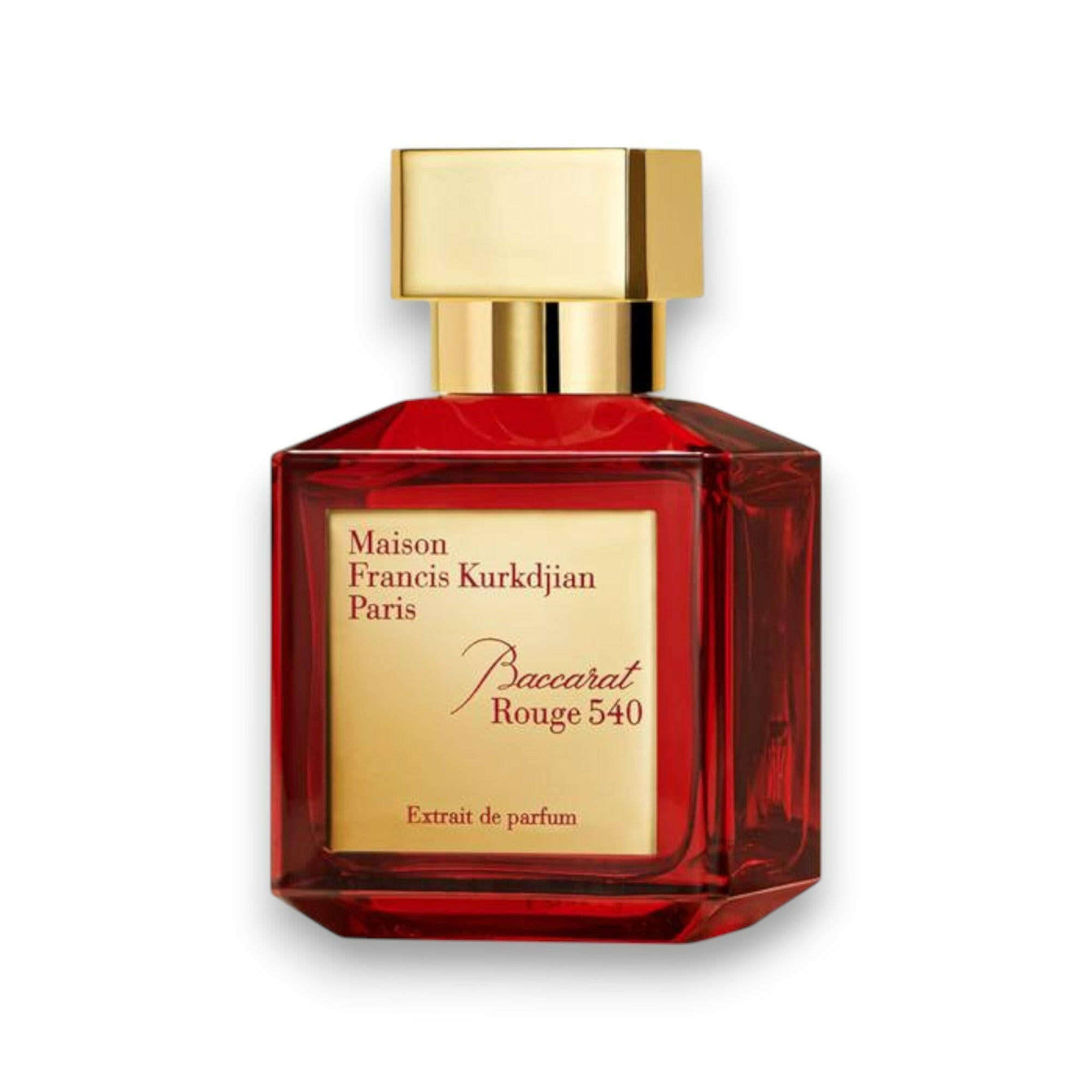
| Extrait de Parfum |
30% – 40%+ |
12 – 24 Hours |
Fragrance enthusiasts, ultimate luxury |
1. Eau de Toilette (EDT): The Daily Driver
The term comes from the French phrase "faire sa toilette," which refers to the ritual of getting ready. EDTs are designed to be light, refreshing, and bright.
-
The Experience: You’ll get a big burst of top notes (citrus, herbs, light florals) that smell amazing immediately but fade within a few hours.
-
Why Choose It? It’s affordable and perfect for the office where you don't want to "overshadow" your coworkers.
2. Eau de Parfum (EDP): The Crowd Favorite
This is the most common concentration on the market. EDPs strike a perfect balance between performance and price.
-
The Experience: EDPs focus more on the "heart" or "middle" notes of a fragrance. They are richer, deeper, and will usually last an entire workday.
-
Why Choose It? It’s the gold standard for versatility. It’s heavy enough for a night out but refined enough for daily wear.
3. Parfum
Despite the name, Parfum isn't 100% oil (that would be too thick to spray!). However, it is significantly more "dense" than an EDP.
-
The Experience: Parfums have less alcohol, which means they don't "project" as far across a room. Instead, they sit closer to the skin, creating an intimate "scent bubble."
-
Why Choose It? Because they have less alcohol, they are much better for people with dry or sensitive skin, as alcohol can be irritating.
4. Extrait de Parfum
This is the "Rolls Royce" of the fragrance world. Extraits are the most concentrated versions of a scent you can buy.
-
The Experience: Just one or two sprays can last over 24 hours. These scents are complex, often using the highest quality natural ingredients.
-
Why Choose It? If you want your scent to be your signature and stay with you from morning until the following day, this is the one.
Pro Tip: Why You Should Sample First
Did you know that an EDT and an EDP of the same fragrance often smell different? Perfumers often tweak the notes to suit the concentration. For example, an EDT might have more lemon to keep it fresh, while the EDP version adds vanilla or wood to make it warmer.
Don't commit to a full bottle until you know how it evolves on your skin.
Ready to find your signature? > Browse our collection of fragrance samples and experience the difference between EDT and EDP for yourself.